B & L FOUNDATION
Joseph Nsele founded B & L Foundation Solver Specialist, a company with 28 years of expertise in underpinning. Their team of trained professionals offers exceptional service and is based at 44 Strawberry in Waterloo, providing Piling Foundations and Retaining Walls services to the entire Kwa-Zulu Natal region.
The company specializes in using Jack Piling, a hydraulic system that lifts the structure and welds and concretes the pins under the foundations for stability. With this approach, the unsightly cracks can be patched and painted to restore the appearance of the structure. B & L Foundation Solver Specialist offers competitive pricing and strives to provide prompt, high-quality service to ensure customer satisfaction
Blog Article #2
The importance of Foundation Types
The Importance of Foundation Types in Underpinning Construction
Underpinning is a process of strengthening or stabilizing the foundation of an existing building, and it is a critical aspect of the construction industry. The choice of foundation is an essential consideration in underpinning construction because it affects the overall stability of the building. There are different types of foundations used in construction, and each type has its advantages and disadvantages.
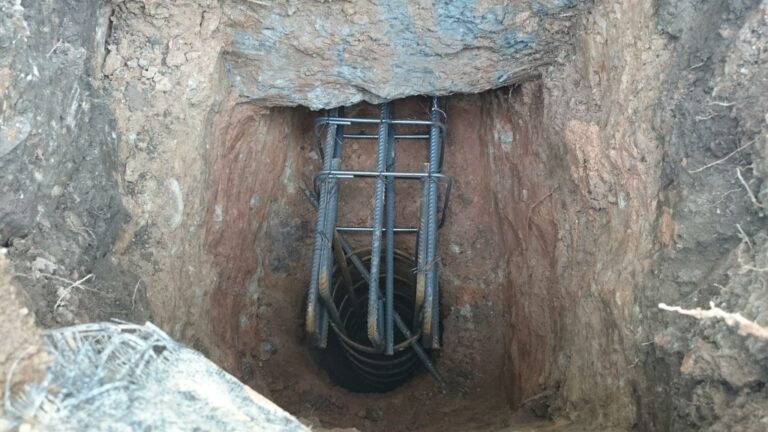
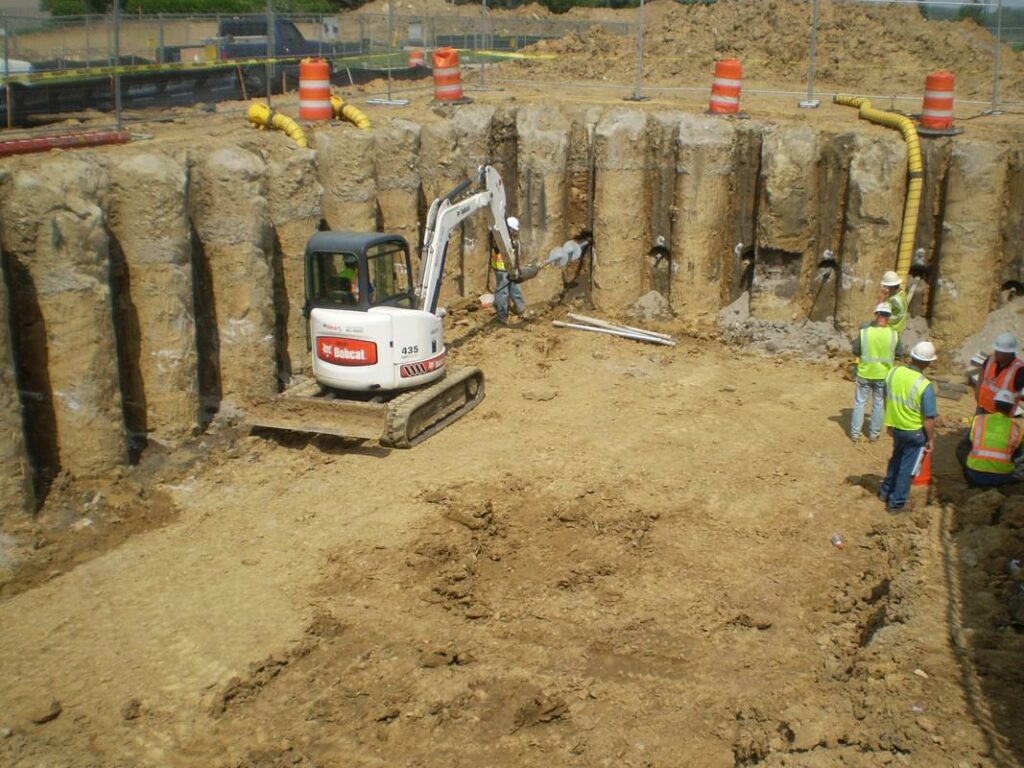
The most common types of foundations used in underpinning construction are strip foundations, raft foundations, and piled foundations. Strip foundations are typically used in low-rise buildings and consist of a strip of concrete or masonry that runs along the perimeter of the building. Raft foundations are used in larger buildings and cover the entire building footprint, distributing the load of the building evenly across the ground. Piled foundations are used in areas with poor soil conditions and consist of piles that are driven deep into the ground to support the weight of the building.
The choice of foundation depends on several factors, such as the type of soil, the load-bearing capacity of the soil, and the weight of the building. For example, strip foundations are suitable for buildings with relatively low loads and stable soil conditions. Raft foundations are more suitable for larger buildings with a higher load and less stable soil conditions. Piled foundations are used when the soil conditions are poor and cannot support the weight of the building.
In addition to the type of foundation, the underpinning construction process also involves other factors such as the underpinning technique used, the structural issues present in the building, the cost and time involved, and the expertise of the professionals involved in the project. However, the choice of foundation is a critical consideration in underpinning construction because it affects the overall stability and safety of the building.
In conclusion, the choice of foundation is an essential consideration in underpinning construction because it affects the overall stability and safety of the building. Different types of foundations are used in construction, such as strip foundations, raft foundations, and piled foundations. The choice of foundation depends on several factors, such as the type of soil, the load-bearing capacity of the soil, and the weight of the building. It is essential to work with professionals who have the knowledge and experience necessary to select the appropriate foundation type for the underpinning construction project.
Different Aspects to think about.
-
Foundation Types: There are different types of foundations used in construction, and the choice of foundation depends on several factors such as the type of soil, the load-bearing capacity of the soil, and the building’s weight. Underpinning is often required when the foundation of a building is unable to support the weight of the structure above it.
-
Underpinning Techniques: Underpinning is a process of strengthening or stabilizing the foundation of an existing building. Various techniques such as mass concrete underpinning, beam and base underpinning, and screw pile underpinning are used in the industry to achieve this.
-
Structural Issues: Underpinning is typically required when there are signs of structural issues in the building, such as cracks in walls or uneven floors. The underpinning process can help to stabilize the foundation and prevent further damage to the structure.
-
Cost and Time: Underpinning can be a complex and time-consuming process, which can lead to increased costs for the project. It is essential to plan and budget for this process accordingly to ensure that the project is completed within the expected timeframe and budget.
-
Expertise: Underpinning is a specialized field in the construction industry that requires expertise and experience. It is essential to work with professionals who have the knowledge, skills, and equipment necessary to carry out underpinning work safely and effectively.
What is Underpinning?
Underpinning refers to the process of strengthening and stabilizing the foundation of a building or structure. This is often done to prevent or repair damage caused by soil subsidence, poor construction, or other factors that may compromise the structural integrity of a building.
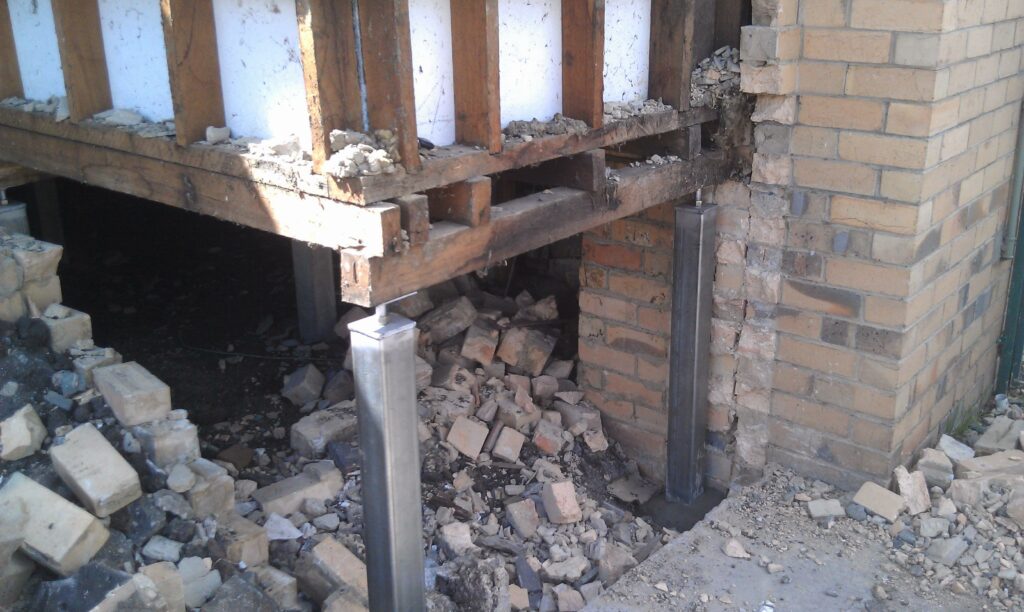
Underpinning typically involves excavating soil from beneath the foundation of the building and then installing additional support to the foundation. This can be done by adding concrete or steel columns, beams or other structural elements to support the existing foundation, or by replacing the existing foundation with a new, stronger one.
Underpinning may also involve injecting grout or other materials into the soil to stabilize it and prevent further settlement. The process requires careful planning and execution to ensure that the building remains stable throughout the underpinning process.
Underpinning is often necessary for older buildings that may have been built on shallow foundations or on unstable soil. It may also be necessary for buildings that have experienced subsidence or other types of foundation damage. A structural engineer or building contractor can assess whether underpinning is necessary for a particular building and recommend an appropriate course of action.
What to look out for?
There are several signs that can indicate that your building
may require underpinning. Here are some things to look out for:
- Cracks in walls and floors: If you notice cracks in the walls or floors of your building, particularly if they are wide or deep, this could indicate foundation settlement or movement.
- Uneven floors: If the floors of your building feel uneven or sloping, this could indicate foundation settlement or subsidence.
- Doors and windows that don’t open or close properly: If doors and windows are sticking or difficult to open or close, this could be a sign that the foundation has shifted or settled, causing the building to become unlevel.
- Sagging or uneven roof: If the roof of your building appears to be sagging or uneven, this could be a sign of foundation problems.
- Cracks in exterior brickwork or masonry: If you notice cracks or gaps in the exterior brickwork or masonry of your building, this could indicate foundation settlement or movement.
- Water damage or moisture problems: If you notice water damage or moisture problems in your building, this could indicate foundation issues that are causing water to seep into the building.
If you notice any of these signs, it’s important to consult with a qualified structural engineer or building contractor to assess whether underpinning is necessary. They can evaluate the foundation of the building and recommend an appropriate course of action to stabilize the foundation and prevent further damage.
Methods of Underpinning:
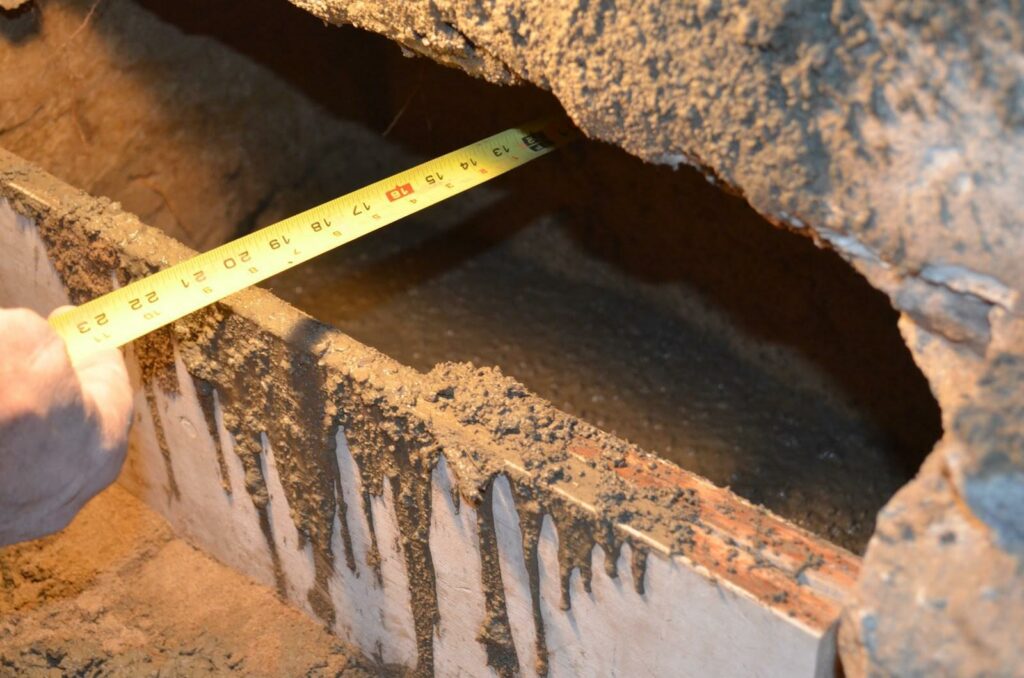
- Mass Concrete Underpinning: This is a commonly used method of underpinning, especially for older buildings with shallow foundations. It involves excavating sections of soil beneath the existing foundation and pouring concrete to create a new, deeper foundation support. The process is done in stages to minimize the risk of structural damage. It is a time consuming and labour intensive process, but it is also a reliable and long-lasting method of underpinning.
- Mini Piled Underpinning: This method of underpinning is used when access to the site is limited or when traditional mass concrete underpinning is not feasible. Mini piles are drilled into the soil beneath the existing foundation and reinforced with steel. They are then connected to the existing foundation to create a new support structure. Mini piled underpinning is a faster and less disruptive method than mass concrete underpinning.
- Beam and Base Underpinning: This method involves constructing a reinforced concrete beam beneath the existing foundation. The beam is supported by columns or pads placed at regular intervals. The existing foundation is then removed, and a new foundation is constructed on top of the beam and columns. This method is typically used in buildings with weak or uneven soil, or where the existing foundation is too shallow to support the structure.
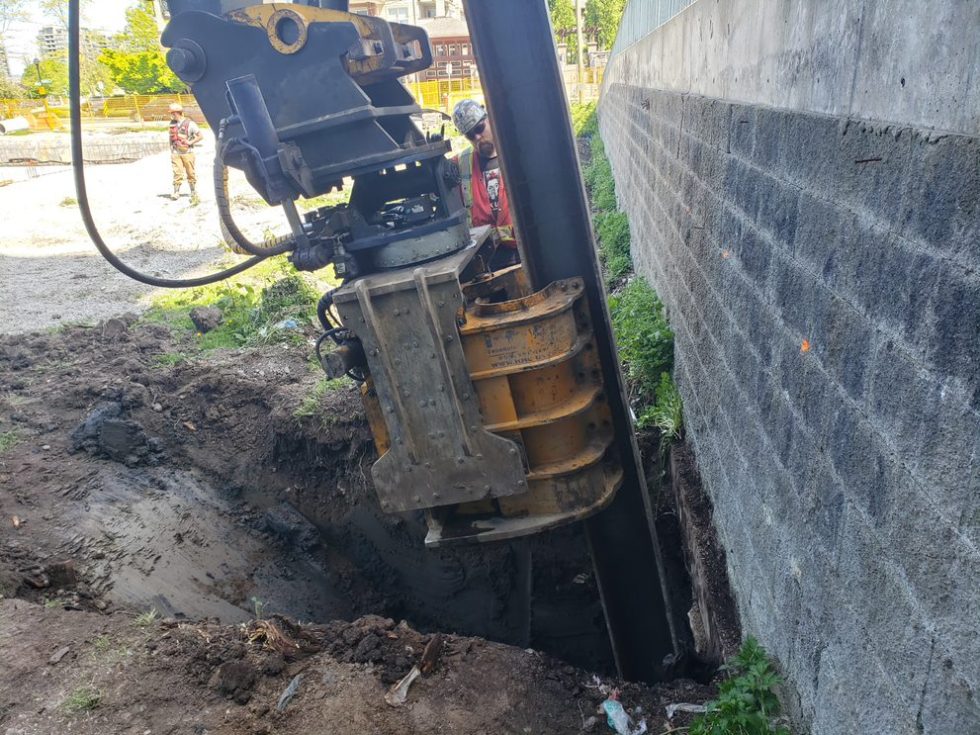
- Screw Pile Underpinning: This method of underpinning is commonly used in structures where soil conditions are difficult or where access is limited. Helical screw piles are screwed into the soil using hydraulic equipment and then connected to the existing foundation to create a new support structure. Screw pile underpinning is a quick and non-disruptive method, and is often used in buildings with high water tables.
- Expanding Resin Injection Underpinning: This method of underpinning involves injecting structural resin into the soil beneath the foundation. The resin expands as it sets, providing support and stabilizing the foundation. This method is commonly used in buildings with limited access or where the foundation requires stabilizing rather than full underpinning. Expanding resin injection underpinning is a quick and non-disruptive method, but it may not be suitable for all buildings and soil conditions.
It’s important to consult with a qualified structural engineer or building contractor to determine the most appropriate method of underpinning for your building, based on the specific needs and conditions of the structure.
Lets get in touch:
- 084 057 4841
- joseph@blfoundation.co.za